
What Retail Can Learn from Game Mechanics
Modern retailers are no longer just competing on price and products; they’re also competing for attention, engagement and loyalty.
A growing number of retail brands are focusing their efforts on capturing the loyalty of their customers to improve lifetime value and ensure repeat business. Many are utilising techniques and mechanics derived from the gaming industry.
Gaming has mastered the art of motivating players through challenges and rewards that keep them coming back for more.
Learn how retailers are making use of the same mechanics to achieve similar goals, making shopping more interactive and rewarding.
The Psychology of Game Mechanics
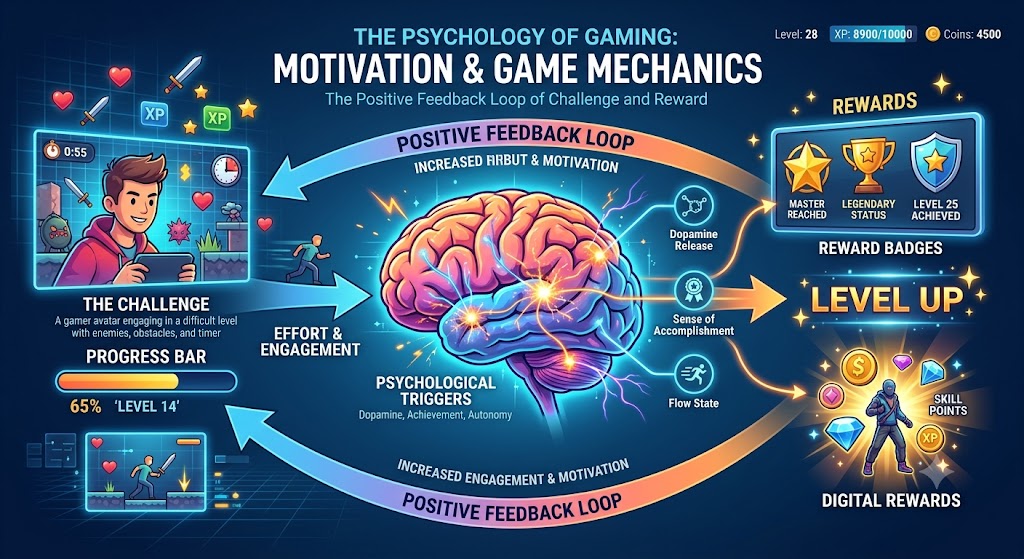
Video games use a variety of systems and features, often known simply as game mechanics, to engage players and create interactive, immersive experiences. These mechanics have been fine-tuned over the years to deliver memorable and exciting experiences to players all over the world.
Game mechanics are designed around reward systems, which provide rewards to players for completing objectives. A good example would be a player unlocking a new item for their character once they complete a level. By beating the challenge, players are rewarded and therefore feel compelled to keep going. These rewards tap into our psychology, creating a positive feedback loop and increasing motivation to play.
In addition, video games are often mentally stimulating, especially when they include challenges and puzzles. Players often must solve problems, and once complete, they receive a sense of accomplishment and pride.
As players advance through a game, they’ll also find their character and the game itself progressing. Challenges may become more difficult, while the character becomes more adept and personalised. Players have a key role in the development of their character and the game, creating a more immersive experience and encouraging further investment of time and effort.
Many modern video games also include multiplayer, which allows multiple people to play at the same time. This adds social interaction and competition into the mix, creating fun and engaging experiences that are unique each time you play.
Applying Game Mechanics to the Retail Industry
The retail industry is a major driver of economic growth around the world, but retailers have been heavily affected by changing market conditions, including the expansion of e-commerce.
Many traditional retailers are closing their doors, while online retailers have had to adapt to increased competition online. Gameplay mechanics have been utilised by many retailers to boost loyalty and sales.
Loyalty Programs
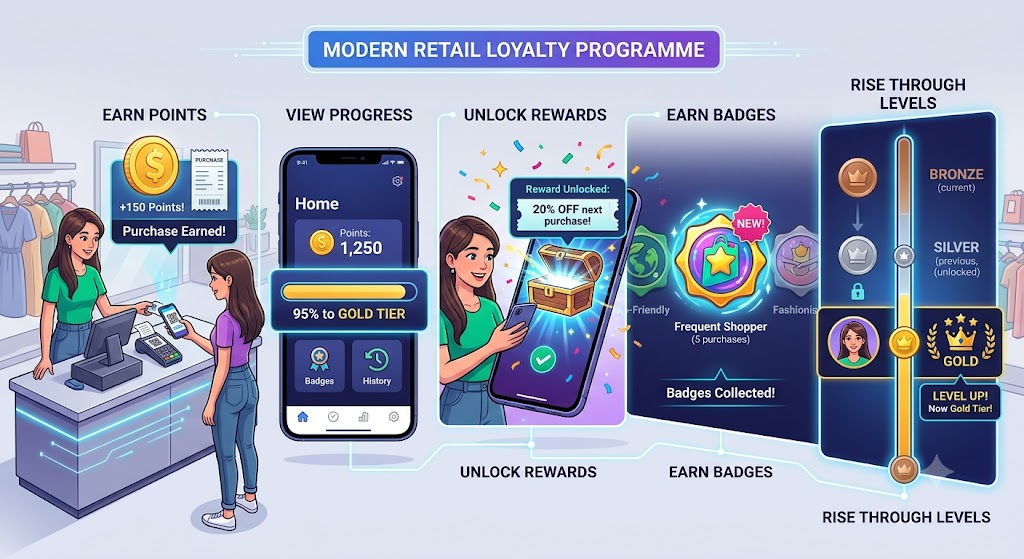
Many retailers now offer loyalty programs, which offer shoppers points for making purchases. These points can be saved up and used as store credit or entry into competitions. What’s more, many loyalty programs include special discounts or exclusive offers, rewarding users for signing up.
A good loyalty program will incentivise customers to sign up and make repeat purchases, decreasing the likelihood of them switching to a competitor. In addition, loyalty programs create a stronger connection between the customer and the brand, making them feel appreciated and valued.
Personalisation
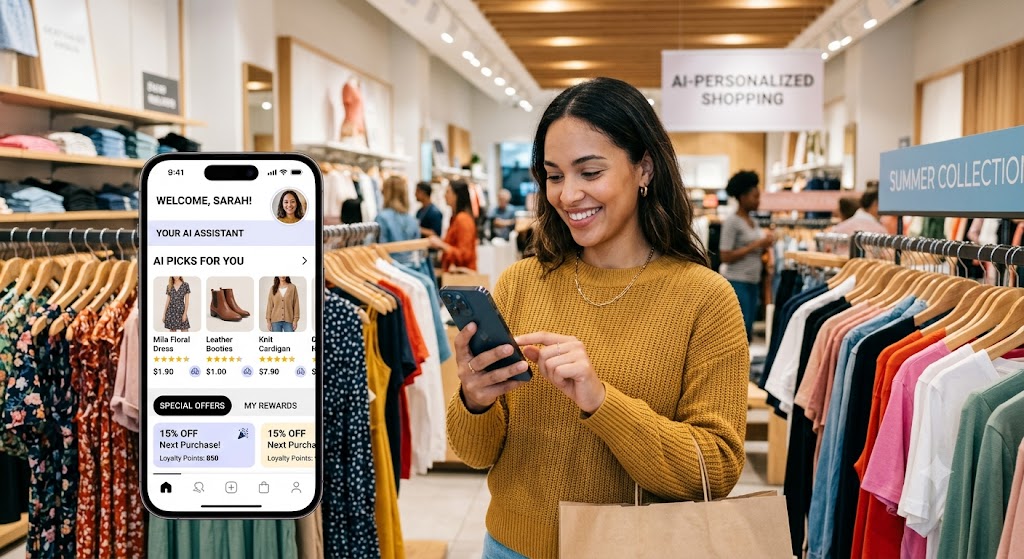
Many retailers now offer personalised experiences to customers too. These are often tied into loyalty programs, which collect data from customers to analyse their purchasing habits, delivering special discounts and rewards based on what they like to buy.
By earning more points and upgrading their loyalty level, customers can even unlock bigger and better discounts. This is a direct application of the reward systems and progression often seen in video games. It creates a feeling of progression and progress for users when they increase their points and level up. The personalised rewards also help improve their loyalty to the brand, as they feel like a valued customer.
Gamification
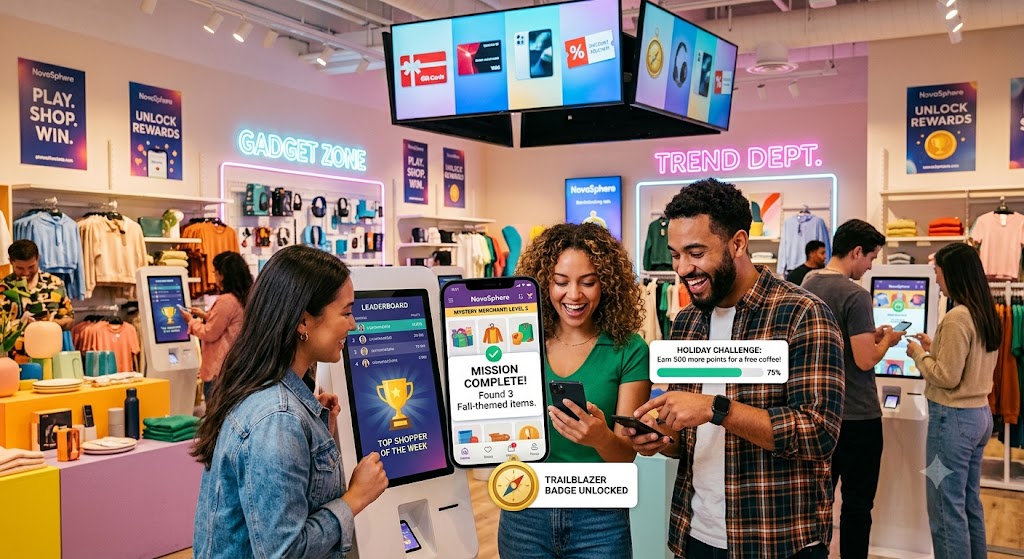
Gamification is the implementation of features such as point scoring and other game mechanics that are designed to improve engagement and deliver rewards. Many retailers are now experimenting with gamified systems, including challenges and quests that customers can complete to earn discounts or free gifts.
Some retailers now offer their own apps, which allow users to easily make purchases. These apps are also usually tied into gamification mechanics, offering challenges such as making a set number of purchases or leaving a certain number of reviews. Users are rewarded by completing challenges, and the app provides a convenient way to track progress and receive notifications of the latest offers.
Scarcity and Limited-Time Offers
Many games offer limited-time content, such as seasonal rewards or loot, with scarcity helping to increase player motivation thanks to the fear of missing out (FOMO). Retailers are increasingly using the concept of scarcity to help increase sales too. By offering flash sales, limited-edition items and countdown timers, customers feel more compelled to act quickly and make the purchase before time runs out.
FOMO is an incredibly powerful motivator, although customers may get tired of seeing regular limited-time-only deals. It’s important to balance the use of scarcity with other mechanics and ensure that customers are still rewarded for loyalty.
Social Features
Social features, such as those in multiplayer games, are a great way to keep players coming back. Many online slots also use social slot mechanics such as reporting recent wins from other players and offering multiplayer tournaments and leaderboards. This increases engagement and makes the experience more enjoyable.
The social factor can be highly motivating in retail too. Leaderboards, referral rewards and community challenges are all great ways of increasing engagement with online retail. Customers can also take part in photo contests and other social media challenges, which help create more user-generated content.
Challenges and Ethical Considerations
Game mechanics can help make retail more exciting and interesting for the average person while also rewarding loyalty and improving the overall experience. However, some game mechanics should be used sparingly to prevent predatory practices where customers are taken advantage of.
It’s also important that customer data is managed responsibly and with consent to prevent manipulation and help build brand trust. Over time, retailers can create lasting loyalty with their customers, if the right steps are taken to prioritise the user experience rather than simply using game mechanics to increase sales.

WordPress website developer and content writer for online blogs. I also love to create content on YouTube and other popular platforms.