
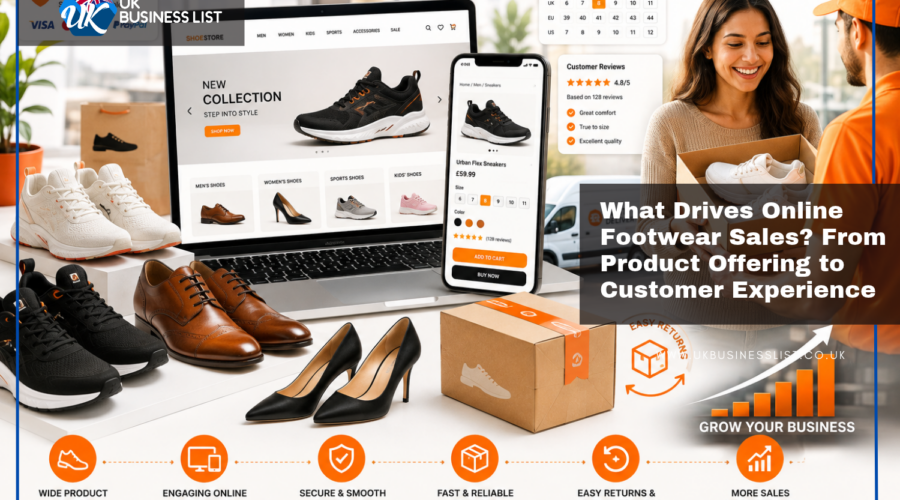
What Drives Online Footwear Sales? From Product Offering to Customer Experience
Footwear is one of the most competitive e-commerce categories.
With so many brands and products competing for shoppers’ attention, every part of the buying journey matters.
If you want to outgrow your competitors, you need to perfect the customer experience.
Read on to learn more about how to sell shoes online successfully.
Focus on what your customer needs
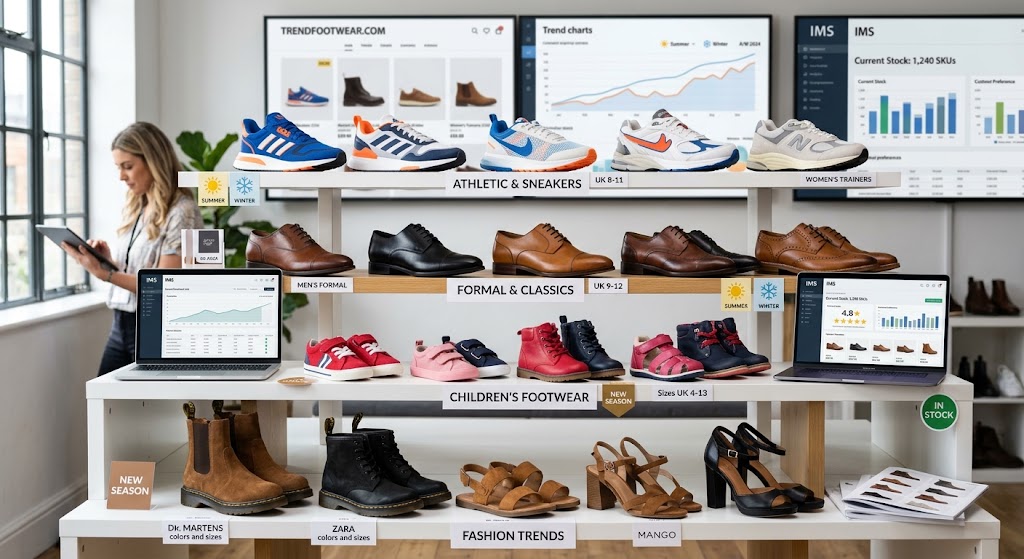
A strong footwear range starts with the right products. Trends matter, but so do practical factors such as seasonality, sizing, price range and intended use.
Different types of footwear appeal to different customer groups and there are at least several niches you can target, such as fashion-forward footwear, trainers, formal shoes, children’s footwear, etc.
No matter the niche, pay attention to:
- popular styles and current seasonal trends
- a wide range of sizes and colours
- providing items at different price points
- detailed information about materials, fit and purpose.
A varied assortment can also help you respond more effectively to changing demand. Some customers prioritise comfort and everyday use, while others focus on design, brand, technical features or durability. This is why it is worth reviewing sales data regularly and identifying which categories, sizes and price points generate the most interest.
At the same time, avoid expanding the range without a clear strategy. Too many similar products can make the offer harder to navigate and increase inventory costs. Instead, build the assortment around clearly defined customer needs and supplement it gradually based on actual demand. This can be especially important when selling through an e-commerce platform or marketplace, where customers often compare multiple similar offers within a short time.
Product availability also matters. Popular sizes or variants that are frequently out of stock may lead customers to choose another seller. Keeping stock information accurate and planning replenishment around seasonal peaks can therefore improve both customer experience and sales performance.
Make sure your customers don’t miss the in-store experience
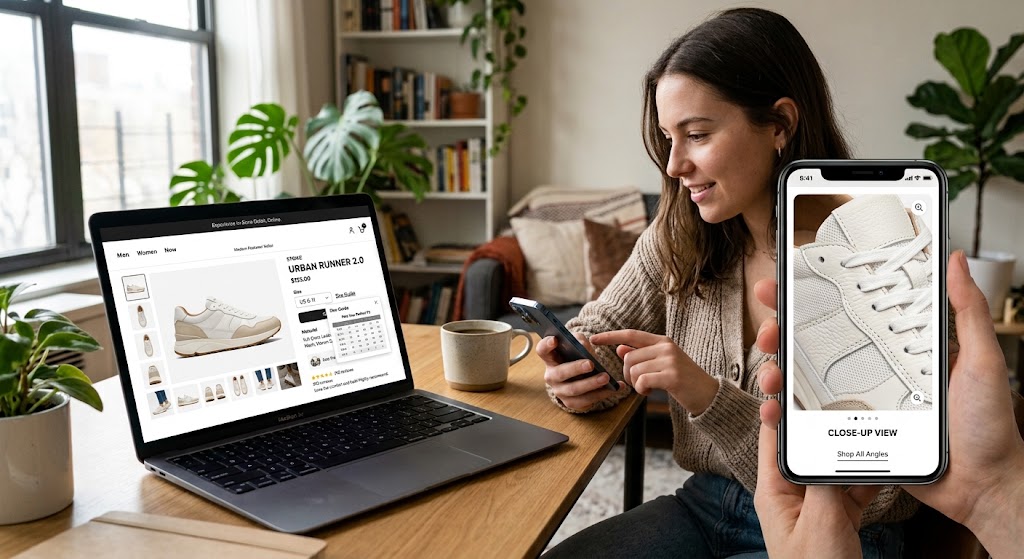
When thinking about how to sell shoes online, you must consider product presentation that recreates as much of the in-store experience as possible. It is the main building block of trust. High-quality images that show the shoe from several angles, as well as details (such as stitching, texture and fastening) are a must. A clear and precise size guide is also essential. Make sure that it’s easy to choose the right size and assess the fit.
When writing descriptions, don’t limit yourself to basic data. Think about the questions that your customers may have. Include information about heel height, fastening type, materials used and care instructions. Customer reviews can strengthen the offer even further. Feedback about sizing, comfort and real-life appearance helps shoppers make confident decisions.
Finally, remember that footwear is a category where purchase decisions are often influenced by practical details. Clear sizing information, precise product specifications and transparent descriptions can reduce uncertainty and help customers choose more confidently.
Make the buying process frictionless
There’s nothing more discouraging than an overcomplicated or unclear checkout process. Keep the path from product page to purchase as short and straightforward as possible. Display the total price, delivery cost and estimated delivery date before the final step.
Don’t forget to include mobile users – smartphones are now the primary device used for online shopping. Make sure that all elements of the product page and checkout process work smoothly on a smaller screen.
Make sure you deliver – literally and figuratively
What happens on the website is only a part of the process. If you’re looking into how to sell shoes online successfully, you need to make sure that the delivery process is fast, convenient and reliable. Customers usually expect their items to arrive within 24-48 hours. A transparent returns policy can also encourage customers to place an order, as it builds confidence.
Partnering up with a well-known marketplace can help maximise customer satisfaction. Marketplaces offer built-in trust, as well as ready-made infrastructure that is optimised to provide a smooth shopping experience. Ultimately, knowing how to sell shoes online means thinking beyond the product itself – and a marketplace can provide the right platform to build a strong offer.

Passionate content designer, contributor and content marketing allrounder at ClickDo.