
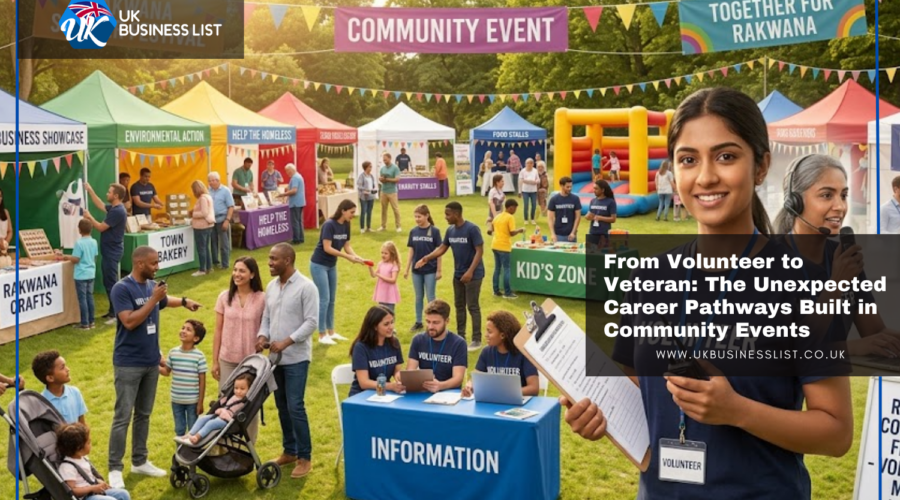
From Volunteer to Veteran: The Unexpected Career Pathways Built in Community Events
More often, they start with a spare Saturday, a favour for a neighbour, and a volunteer badge pinned on in a hurry.
Community events look casual from the outside. That view misses the key issue.
These gatherings force people to solve problems in public, under time pressure, with limited funds, and unpredictable crowds.
Employers claim to prize adaptability, calm judgement and initiative. Community events reveal all three.
That’s why volunteering so often stops being a brief act of goodwill and becomes the first step in a genuine professional journey.
The First Useful Chaos
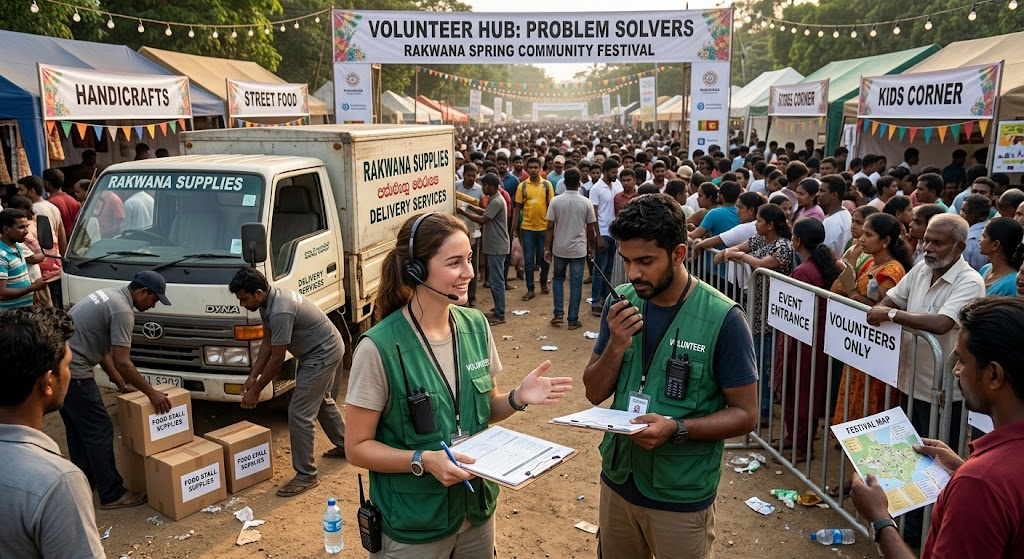
A community event throws people into disorder, and that’s why it teaches so much so quickly. One minute, a volunteer points visitors to a stall. Next, a supplier goes missing, and a queue starts to swell. Skills appear under pressure.
Organisations that need to find event staff know the situation all too well. They notice the volunteer who spots gaps, speaks clearly, and keeps the day moving. That person isn’t merely helping. That person is proving value in real time.
Networks with Mud on Their Shoes
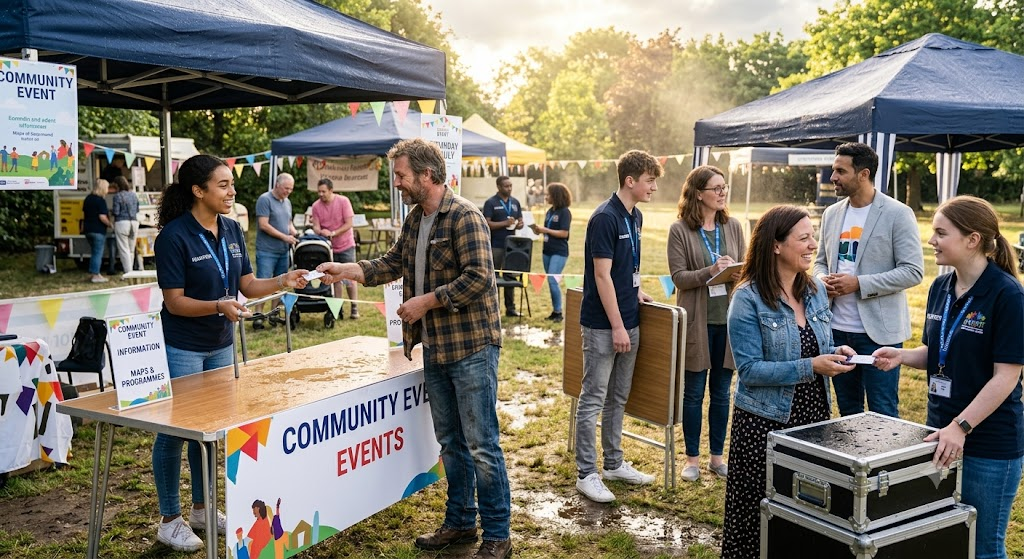
Too frequently, professional networking is dressed up as if careers only move over weak coffee in conference rooms. Nonsense. Real connections arise when you are stacking chairs in the drizzle or solving a last-minute problem with only three minutes to spare. Function replaces status in community activities.
Teachers, company owners, arts officers, and organisers share a practical problem. A volunteer who takes pressure well may receive a reference, a recommendation, or a subtle call to help with something bigger. Competence at close range builds trust rapidly.
Confidence Built in Public
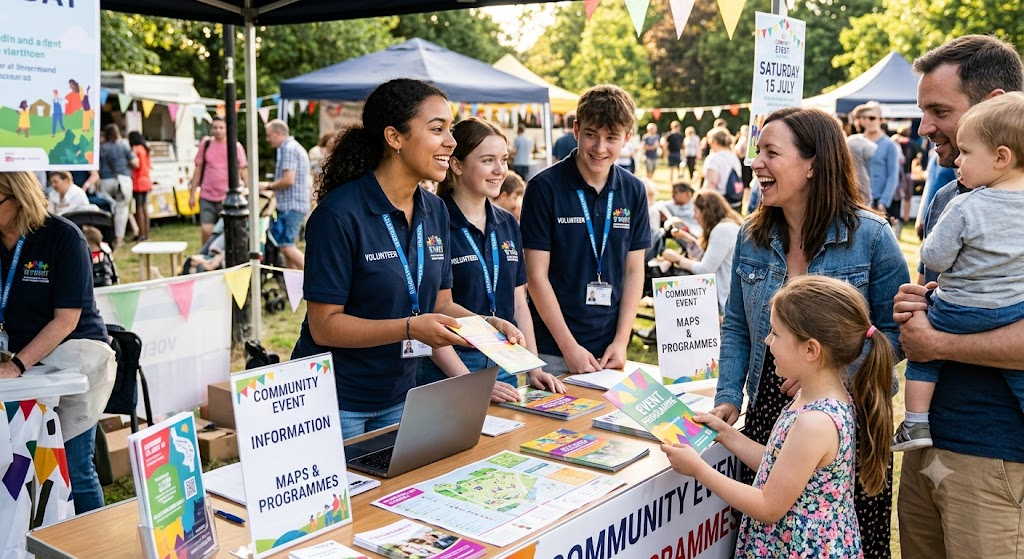
Many entry-level jobs hide newcomers from responsibility. Community events do the opposite. They place people in front of strangers and force them to speak, decide, and recover. A hesitant volunteer who starts by handing out programmes may soon be briefing new recruits or managing a small team. That matters. Confidence stops being a performance and becomes evidence. Employers respond to that kind of proof because it shows nerve, not merely charm. Anyone who has handled a lost child, a power cut, or a sudden downpour has learned something solid about composure.
From Goodwill to Profession
The move from an unpaid helper to a paid specialist often happens through small steps. A volunteer takes charge of one area, then learns scheduling, budgeting, supplier calls, or accessibility planning. Before long, a role appears in events, charity operations, venue management, or local government. Such a scenario should not surprise anyone and often parenting skills are an advantage too.
Community events build transferable skills in many areas. Time management. Diplomacy. Leadership. Clear communication. These are not decorative extras. They form the spine of serious work, and many seasoned professionals began with a lanyard and a job nobody else wanted.
Conclusion
Community events do far more than fill calendars or raise money for good causes. They act as rough, lively training grounds where people test judgement against reality. The volunteer who keeps turning up gains more than experience. That person builds a reputation, a network and a steadier manner under pressure.
Labour markets love big phrases about talent and development. Fine words, but the local fundraiser often explains the truth better. Give capable people a real problem to solve, and a career may begin long before anyone thinks of giving it a formal name.

Passionate content creator, contributor, writer and content marketing allrounder publishing on various ClickDo publications.